This article contains affiliate links. When you book through these links, Wandopia earns a small commission at no extra cost to you. This helps us keep creating free travel guides for solo travelers. Learn more about our affiliate policy.
Introduction
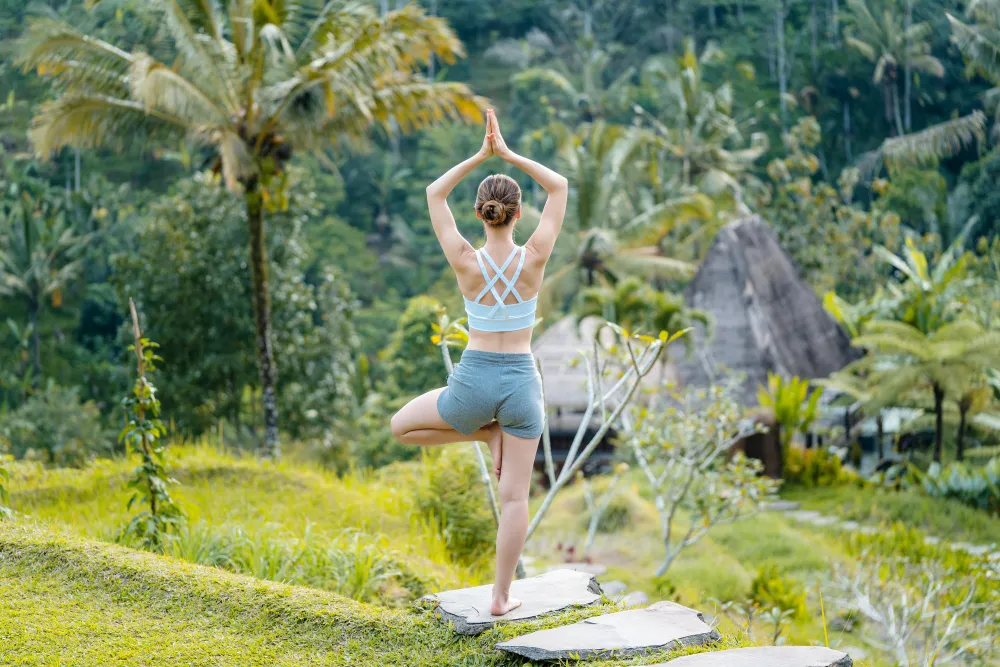
The morning mist settles over Ubud’s emerald rice terraces as the first chant of “Om” vibrates through open-air shalas. At dawn, while much of the world sleeps, hundreds of solo travelers roll out their mats, seeking something deeper than just a vacation—they’re seeking transformation.
Ubud has earned its reputation as the #2 wellness destination in the world, surpassed only by Tuscany, Italy.¹ With the global wellness tourism market worth $651 billion annually and growing at 16.6% per year,² Bali’s spiritual capital sits at the heart of this revolution. In 2024 alone, Bali welcomed 6.3 million international visitors,³ and a significant portion found their way to Ubud’s yoga studios and retreat centers.
For solo travelers, Ubud offers something rare: a place where independence meets community. You’ll arrive alone, but you’ll leave with connections that span continents and practices that last a lifetime.
In this guide, you’ll discover:
Why Ubud is Perfect for Solo Yoga Travelers
The Spiritual Energy
Ubud’s name comes from the Balinese word “obad,” meaning medicine. For centuries, this area has been known as a healing center—a place where traditional Balinese Hinduism, energy medicine, and spiritual practice converge. That energy still permeates everything here, from the incense that fills temple courtyards to the intention behind every yoga class.
What makes Ubud different from other yoga destinations? Authenticity. You’re not just doing yoga poses in a tropical setting—you’re participating in a living spiritual tradition that dates back thousands of years. Many retreats incorporate Balinese healing practices, offering a depth of experience that’s impossible to replicate elsewhere.
The Solo Travel Advantage
Traveling to Ubud alone for a yoga retreat offers unique benefits:
- Complete freedom: Choose your schedule, practice intensity, and social interactions
- Deeper immersion: Without companions to distract you, you’ll dive deeper into your practice
- Built-in community: Retreats naturally connect solo travelers through shared experiences
- Personal growth: Navigate challenges independently and build confidence
The Safety Factor
Ubud consistently ranks as one of the safest destinations in Bali for solo travelers. The wellness community here understands the concerns of traveling alone, and most studios and retreats have systems in place to support solo guests—from WhatsApp groups for staying connected to staff who check in regularly.
Types of Yoga Retreats Available
Beginner-Friendly Drop-In Classes
Best for: First-time visitors, travelers with limited time, those wanting to sample different styles
Ubud’s drop-in class scene is unmatched in variety and accessibility. You can walk into almost any studio without prior booking, pay per class, and experience different teaching styles before committing to a longer program.
What to expect:
- Class duration: 60-90 minutes
- Price range: $12-20 USD per class
- Class sizes: 10-25 students
- Styles offered: Hatha, Vinyasa, Yin, Restorative, Aerial, and more
Top studios for drop-ins:
The Yoga Barn - Ubud’s most famous yoga center
- Why it’s legendary: 15+ daily classes across multiple shalas, world-renowned teachers
- Classes: From gentle restorative to challenging power vinyasa
- Facilities: Two yoga studios, meditation hall, healing center, organic garden cafe
- Price: $15-20 per class
- Solo advantage: The sheer size means you’ll always find someone at your level
Radiantly Alive - For dynamic, energizing practices
- Why students love it: Fun, challenging vinyasa classes with supportive instructors
- Classes: Power yoga, acro yoga, meditation, workshops
- Community: Active social scene with community dinners and events
- Price: $15-18 per class
- Solo advantage: Social atmosphere makes it easy to meet fellow yogis
Alchemy Yoga - Intimate and authentic
- Why it stands out: Smaller class sizes, personalized attention, beautiful bamboo studio
- Classes: Hatha, vinyasa, yin, meditation, sound healing
- Atmosphere: Peaceful and grounded, less touristy than bigger studios
- Price: $12-15 per class
- Solo advantage: Small classes mean instructors remember your name and practice
Find budget-friendly accommodations near Ubud’s yoga studios →
Immersive Week-Long Retreats
Best for: Deep transformation, lifestyle change, meaningful community building
A week-long retreat gives you enough time to establish a new rhythm, experience profound shifts in your practice, and form genuine connections with fellow retreat-goers.
What’s typically included:
- Daily yoga: 2 sessions per day (morning active, evening restorative)
- Meditation: Guided sessions, often morning and evening
- Meals: 2-3 healthy meals per day (usually vegetarian/vegan)
- Workshops: Topics like yoga philosophy, nutrition, Ayurveda
- Excursions: Rice terrace walks, temple visits, purification ceremonies
- Accommodation: From shared dorms to private villas
Top immersive retreats:
Firefly Retreat - Designed specifically for solo travelers
- Why it’s perfect: Hosted over 6,000 guests from 50+ countries, solo-focused
- Duration: 7-day programs, weekly retreats year-round
- Price: $399+ for 7 days (including accommodation, meals, yoga)
- What makes it special: Cultural immersion, authentic Balinese experiences, affordable
- Solo advantage: Entire program designed for solo travelers, no single supplement
Fivelements Retreat - Luxury wellness meets traditional Balinese healing
- Why it’s world-class: Named one of the world’s best wellness retreats by Condé Nast Traveler
- Duration: 3-14 night programs
- Price: $300-600+ per night
- What makes it special: Integrates Balinese healing rituals, plant-based cuisine, sacred arts
- Solo advantage: Private villas, personalized wellness programs
Bagus Jati - Affordable eco-retreat in the jungle
- Why it’s great value: Stunning setting, comprehensive programs, mid-range pricing
- Duration: 3-7 night packages
- Price: $100-200 per night (including meals, yoga, accommodation)
- What makes it special: Organic gardens, mountain views, traditional Balinese architecture
- Solo advantage: Peaceful environment for introspection, small group sizes
Month-Long Teacher Trainings
Best for: Career changers, serious practitioners, those seeking complete lifestyle overhaul
If you’re ready to go all-in, Ubud is one of the world’s most popular destinations for yoga teacher training (YTT). These intensive programs will challenge you physically, mentally, and emotionally—but the transformation is profound.
What to expect:
- 200-hour or 300-hour certification: Yoga Alliance recognized programs
- Daily schedule: 6-8 hours of practice, theory, and teaching practice
- Curriculum: Asana, pranayama, meditation, anatomy, philosophy, teaching methodology
- Community: Deep bonds form with your YTT cohort
- Cost: $2,000-4,000 typically including training and accommodation
Top teacher trainings:
- Yoga Works: Professional, comprehensive training with international recognition
- Intuitive Flow: Unique fusion of Hatha, Vinyasa, and Tantric philosophy
- Alchemy Yoga: Intimate, personalized training with experienced mentors
Solo consideration: YTTs are intense. Make sure you’re physically and mentally prepared before committing.
Choosing the Right Retreat for You
Match Your Goal to the Program
For stress relief and relaxation:
- Choose: Gentle hatha, restorative yoga, yin yoga-focused retreats
- Look for: Words like “restorative,” “gentle,” “relaxation,” “stress-relief”
- Avoid: Power yoga, intensive fitness-focused programs
For fitness and physical challenge:
- Choose: Vinyasa, power yoga, ashtanga-focused retreats
- Look for: Words like “dynamic,” “power,” “fitness,” “strength”
- Avoid: Purely restorative or meditation-heavy programs
For spiritual growth:
- Choose: Retreats incorporating meditation, philosophy, traditional practices
- Look for: Words like “meditation,” “spiritual,” “philosophy,” “traditional”
- Avoid: Purely fitness-oriented programs
For healing and recovery:
- Choose: Wellness retreats with Balinese healers, detox programs
- Look for: Words like “healing,” “detox,” “wellness,” “cleanse”
- Seek out: Programs offering Traditional Chinese Medicine or Ayurveda
Budget Reality Check
Budget retreat ($20-50 per day):
- Drop-in classes at community studios
- Hostel-based yoga programs
- Self-practice at free community sessions
Mid-range retreat ($50-150 per day):
- Week-long programs at boutique centers
- Shared accommodation, included meals
- Small group experiences (10-15 people)
Luxury retreat ($150-500+ per day):
- Premium wellness resorts
- Private villa accommodation
- One-on-one instruction, personalized programs
- Comprehensive spa treatments and healing sessions
Solo tip: Many retreats offer “solo supplements” for private rooms, but you can save money by choosing shared accommodation. You’ll likely spend minimal time in your room anyway.
Duration Considerations
1-3 days: Enough to sample Ubud’s yoga scene, decide if you want to commit longer 1 week: Ideal balance—deep experience without overwhelming time or budget commitment 2 weeks: Significant transformation possible, deeper community bonds 4 weeks: Complete lifestyle reset, often teacher training territory
What a Typical Retreat Day Looks Like
While every retreat is unique, here’s a typical schedule at a week-long Ubud yoga retreat:
6:30 AM - Morning meditation (30 min) Silence settles over the retreat center as you begin with breathwork and intention-setting
7:00 AM - Morning yoga practice (90 min) Dynamic flow to awaken the body, often incorporating pranayama (breath exercises)
8:30 AM - Healthy breakfast Fresh tropical fruits, smoothie bowls, eggs, traditional Balinese rice dishes
10:00 AM - Workshop or free time (2-3 hours) Topics might include yoga philosophy, nutrition, Ayurveda, or self-reflection
1:00 PM - Nourishing lunch Plant-based focused, often using ingredients from the retreat’s organic garden
3:00 PM - Spa treatment, excursion, or free time Balinese massage, rice terrace walk, temple visit, or personal reflection time
5:00 PM - Evening restorative practice (60-90 min) Gentle yoga, yin, or yoga nidra (yogic sleep) to integrate the day’s experiences
7:00 PM - Community dinner Shared meals are the heart of retreat community—conversations flow late into the night
Solo tip: This schedule looks intense, but there’s usually flexibility. Listen to your body and take breaks when needed—retreat staff will understand.
Where to Stay in Ubud
Central Ubud - Walking Distance to Everything
Best for: First-time visitors, those who want convenience, easy access to restaurants and shops
Pros:
- Walk to Yoga Barn, Radiantly Alive, and other studios
- Endless restaurant and cafe options
- Easy shopping for yoga clothes, crafts, souvenirs
Cons:
- Can be noisy and crowded
- More expensive than outlying areas
- Less peaceful/jungle feel
Recommended areas:
- Monkey Forest Road area
- Near Ubud Market
- Jalan Hanoman street
Find accommodation in Central Ubud:
Find Hotels in Ubud
Powered by Stay22
Affiliate Widget
Stay22 integration will be displayed here
Affiliate disclosure: We may earn a commission when you book through our partners
💡 Solo Traveler Tip: Use the map above to compare hotels, guesthouses, and homestays. Look for properties near Yoga Barn or in Penestanan village for easy access to studios.
Penestanan Village - Quiet but Accessible
Best for: Yogis who want peace but still want convenience
Pros:
- 15-minute walk to central Ubud
- Quieter, more local feel
- Home to Intuitive Flow yoga studio
- Stunning rice terrace views
Cons:
- Fewer restaurant options immediately nearby
- Need to walk or take scooter for evening activities
Campuhan Ridge - Nature and Views
Best for: Nature lovers, those who want to escape crowds
Pros:
- Incredible valley views
- Quieter than central Ubud
- Access to Campuhan Ridge Walk (amazing sunrise spot)
- More affordable accommodation
Cons:
- 20-30 minute walk to town
- Need scooter or taxi for most activities
- Limited dining options nearby
Solo tip: For first-time solo travelers to Ubud, stay in Central Ubud or Penestanan. You’ll have easy access to studios, restaurants, and other travelers. Once you know your way around, you can explore quieter areas.
Getting to Ubud
International Arrival
Most international travelers fly into Ngurah Rai International Airport (DPS) in Denpasar, Bali’s main airport.
Direct flights available from:
- Singapore (2.5 hours)
- Bangkok (4 hours)
- Kuala Lumpur (3 hours)
- Perth, Australia (3.5 hours)
- And many other Asian hubs
Compare flight prices to Bali →
From Airport to Ubud
Options:
Private driver (Recommended for solo travelers with luggage)
- Cost: $25-35 USD
- Duration: 1-1.5 hours (depends on traffic)
- Pros: Door-to-door service, reliable, can stop for cash/ATM
- Booking: Your accommodation can usually arrange this, or book via Grab/Gojek apps
Airport taxi
- Cost: $20-30 USD (fixed price at official taxi counter)
- Duration: 1-1.5 hours
- Pros: Official, safe, no bargaining needed
- Cons: More expensive than private drivers arranged by hotels
Shuttle service
- Cost: $10-15 USD
- Duration: 2+ hours (multiple stops)
- Pros: Budget-friendly, meet other travelers
- Cons: Takes longer, less convenient with luggage
Before you fly: Make sure you have the correct visa for Bali. Most travelers can get a Visa on Arrival (VoA) for $35 USD, valid for 30 days.
Getting Around Ubud
Walking: Possible in central Ubud, but hot and humid Scooter rental: $5-7/day, but only if you’re experienced—Bali traffic is chaotic Gojek/Grab ride-hailing apps: Like Uber but for motorbikes and cars—very affordable and convenient Private driver: $25-40/day for hire—great for exploring beyond Ubud
Solo safety tip: If you’re not an experienced scooter rider, don’t rent one in Bali. The combination of left-side driving, chaotic traffic, and unfamiliar roads creates real risk. Use ride-hailing apps or hire a driver instead.
Budget Breakdown: What It Really Costs
Drop-In Class Approach (3 days in Ubud)
| Item | Cost (USD) |
|---|---|
| Accommodation (mid-range guesthouse) | $20-40/night × 3 = $60-120 |
| Yoga classes (2 per day) | $15 × 6 classes = $90 |
| Meals (mix of warungs and cafes) | $15-25/day × 3 = $45-75 |
| Transportation within Ubud | $5-10 total |
| Total | $200-295 |
Week-Long Retreat Experience
| Item | Cost (USD) |
|---|---|
| Retreat package (7 days, accommodation + meals + yoga) | $400-1500 |
| Transportation to/from airport | $25-35 each way = $50-70 |
| Additional meals/snacks | $50-100 |
| Extra activities (spa, excursions) | $50-200 |
| Total | $550-1870 |
Month-Long Teacher Training
| Item | Cost (USD) |
|---|---|
| YTT program (including accommodation) | $2000-4000 |
| Flights to Bali | $500-1500 (depending on origin) |
| Visa extensions (if needed) | $50-100 |
| Additional expenses (meals out, activities) | $300-600 |
| Total | $2850-6200 |
Solo Safety Considerations
Choosing Reputable Centers
Red flags to avoid:
- No website or minimal online presence
- Refusal to provide details about instructors’ certifications
- Pressure to book/pay large sums upfront
- No clear cancellation or refund policy
- Poor recent reviews mentioning safety concerns
Green flags to look for:
- Yoga Alliance registered (for teacher trainings)
- Certified, experienced instructors with bios on website
- Clear policies and transparent pricing
- Active, positive recent reviews
- Professional communication
Always: Read recent reviews on Google, TripAdvisor, and social media before booking.
During Your Retreat
- Share your itinerary: Let someone back home know where you’re staying and your retreat details
- Secure valuables: Use room safes for passports, cash, electronics
- Stay hydrated: Bali’s heat + yoga = sweat. Drink plenty of purified water
- Listen to your body: Pushing too hard in yoga, especially in heat, can lead to injury
- Trust your instincts: If a situation or person feels uncomfortable, remove yourself
Before traveling to Bali, review our complete solo safety guide for comprehensive tips on staying safe as a solo traveler.
Preparing for Your Yoga Retreat
What to Pack
Essential items:
- Yoga clothes: Lightweight, breathable fabrics (think: you’ll sweat a lot)
- Reusable water bottle: Stay hydrated and reduce plastic waste
- Yoga mat: Most places provide, but bringing your own is more hygienic and comfortable
- Meditation cushion or shawl: For comfort during longer meditation sessions
- Journal: For insights, reflections, and contact info of new friends
- Insect repellent: Mosquitoes can be fierce, especially at dawn/dusk
- Natural toiletries: Many retreats are eco-conscious—avoid harsh chemicals
Optional but nice to have:
- Yoga strap or block (if you use them regularly)
- Essential oils (lavender for relaxation, eucalyptus for clear breathing)
- Portable speaker (if you want music in your room—respect quiet hours!)
- Dry shampoo (for days when showering isn’t possible)
Health Preparations
- Travel insurance: Essential—make sure it covers wellness activities and yoga
- Consult your doctor: Especially important for intensive retreats or teacher trainings
- Vaccinations: Ensure routine vaccinations are up-to-date (hepatitis A, typhoid recommended for Bali)
- Medications: Bring sufficient supply plus copies of prescriptions
Mental Preparation
- Set intentions: What do you hope to gain from this experience?
- Release expectations: Each retreat is unique—avoid comparing to others’ experiences
- Open mind: Try new practices, foods, and ways of thinking
- Self-compassion: You’ll likely have challenging moments—be kind to yourself
- Digital detox: Consider limiting phone/social media use during your retreat
Making the Most of Your Experience
Beyond the Mat
Your yoga retreat is about more than just time on the mat:
Explore Ubud’s cultural sites:
- Sacred Monkey Forest Sanctuary: Ancient temple with hundreds of monkeys
- Pura Taman Saraswati: Water temple with lotus ponds in central Ubud
- Ubud Palace: Traditional Balinese architecture and cultural performances
- Campuhan Ridge Walk: Stunning sunrise/sunset hike with valley views
Nourish your body:
- Try local cuisine: Healthy Balinese food at warungs and cafes
- Visit a traditional healer: Balian (Balinese healers) offer unique insights
- Experience a melukat purification ceremony: Traditional water cleansing ritual
Connect with community:
- Attend workshops: Many studios offer special events and guest teachers
- Join community dinners: Retreats and some hostels organize group meals
- Take a cooking class: Learn to make healthy Balinese dishes
- Volunteer: Some retreats offer community service opportunities
Integrating After You Leave
The real challenge begins when you return home. Here’s how to maintain your practice:
- Establish a home routine: Even 15 minutes daily is better than an hour weekly
- Stay connected: Many retreats have alumni groups—stay in touch with your sangha (community)
- Continue journaling: Process insights and track your progress
- Plan your return: Knowing you’ll come back helps integrate the experience
- Share your practice: Teaching friends or family deepens your understanding
Download our Bali solo travel checklist for more pre-trip preparation tips.
Booking Tips & Timing
Best Time to Visit
Dry season (April-October):
- Pros: Ideal weather, less humidity, perfect for outdoor yoga
- Cons: Higher prices, more crowded, retreats fill up quickly
- Best for: First-time visitors, those sensitive to heat/humidity
Wet season (November-March):
- Pros: Lower prices, fewer crowds, lush green landscapes
- Cons: Daily rain showers, high humidity, some outdoor activities limited
- Best for: Budget travelers, experienced Bali visitors who don’t mind rain
Shoulder months (March, November, early December):
- Pros: Good balance of weather and prices, moderate crowds
- Cons: Unpredictable weather
- Best for: Smart travelers seeking value
Smart Booking Strategy
- Book early: Popular retreats (especially during dry season) fill up 2-3 months ahead
- Ask about discounts: Many offer early-bird specials (book 60+ days ahead), solo traveler discounts, or returning guest rates
- Read cancellation policies carefully: Understand what’s refundable and under what conditions
- Consider travel insurance: Protect your investment in case of emergencies
- Contact the retreat directly: Ask questions before booking—reputable centers welcome this
Ready to Transform Your Practice?
Ubud’s yoga scene offers something rare: a place where ancient wisdom meets modern wellness, where solo travelers become part of a global community, and where a week on the mat can change your life.
Whether you’re dropping in for a single class at The Yoga Barn or committing to a month-long teacher training, you’ll leave Ubud different than you arrived—more grounded, more connected, and more aligned with your true self.
Key Takeaways:
Explore Ubud yoga retreats and find your perfect program →
Find flights to Bali and start planning your journey →
Have you experienced yoga in Ubud as a solo traveler? Share your recommendations, tips, and questions in the comments below! Your insights could help another solo traveler find their perfect retreat.
Sources: